Loaded Fries From the Oven: A Topping and Timing Plan
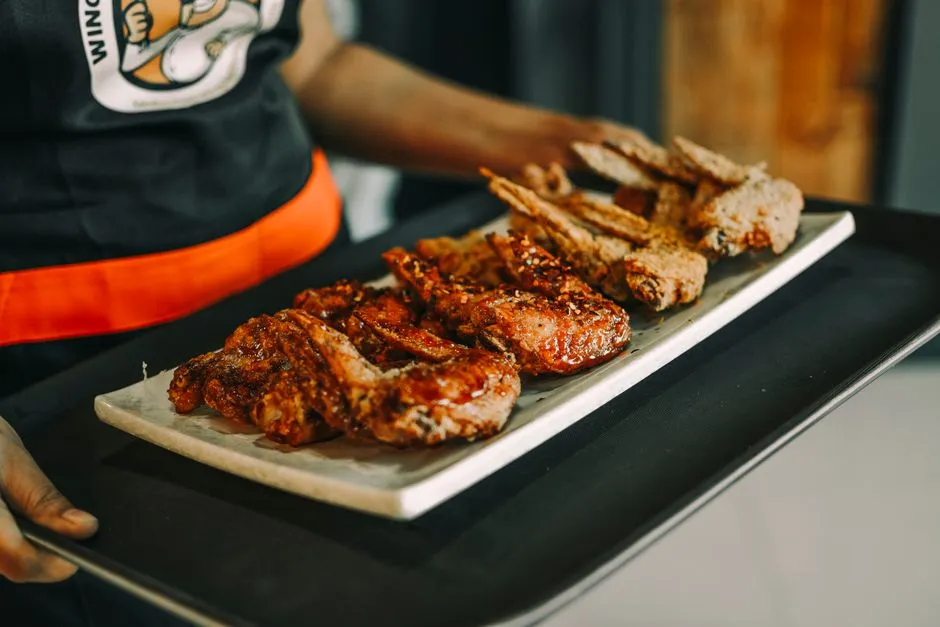
- How do you make loaded fries in the oven?
- What do you need for the potato base?
- How should you prepare the tray and handle it?
- Which toppings should you measure out?
- In what order should you assemble the fries?
- Why do loaded fries soften?
- How do meat toppings and service stay safe?
- What should happen to leftovers?
- Sources
How do you make loaded fries in the oven?
Bake the potatoes before adding cheese, then finish the hot fries with a measured layer of toppings just before serving. Dry the cut potatoes thoroughly and give them space on the tray. Keep wet toppings separate until the plate reaches the table. Cook meat toppings separately to their required internal temperature; melted cheese cannot establish meat safety. Keep perishable ingredients under temperature control and refrigerate leftovers promptly.
Shoreline & Stool's contribution here is an original topping and serving plan around a published oven-fries method. We have not kitchen-tested the combined dish. Expect the contrast of browned potato edges, cheese and cool toppings; no loaded fry stays crisp indefinitely.
What do you need for the potato base?
The NHLBI baked-fries recipe uses:
- Four large potatoes, 2 pounds total.
- 8 cups ice water.
- 1 teaspoon each garlic powder, onion powder, white pepper and hot pepper flakes.
- ¼ teaspoon each salt and allspice.
- 1 tablespoon vegetable oil.
Scrub and cut potatoes into ½-inch strips. Cover in the ice water and refrigerate for at least one hour. Drain and dry thoroughly. Heat the oven to 475°F. Toss potatoes with the seasonings, place in a shallow baking pan and brush with oil. Cover with foil and bake 15 minutes; uncover and bake 15–20 minutes more, turning occasionally, until golden brown.
That is the source's potato method. The toppings below are our separate addition; its nutrition figures do not describe loaded fries.
Do not rely on potato count alone when shopping: “large” is less precise than the total weight. Check that your pan and any liner are approved by their manufacturer for the required temperature. Do not substitute a different appliance's timing.
How should you prepare the tray and handle it?
University of New Hampshire Extension's oven-fries guidance specifies a single layer. Use that arrangement here. If the cut potatoes overlap, use another suitable tray or cook separate batches. More potatoes need more surface area; doubling a shopping list does not enlarge the oven.
Before heating, check that the trays fit and that you can move them without an awkward grip. Keep a clear, heat-resistant landing place beside the oven. Have a spatula ready so turning does not require balancing a hot tray while searching a drawer.
The U.S. Fire Administration recommends dry oven mitts: moisture in a potholder can become a scald hazard. Use dry mitts for the pan and open the foil carefully, keeping your face and hands clear of escaping steam. Keep children away from the hot tray and the oven door.
Which toppings should you measure out?
For the whole potato batch, our proposed topping allocation is:
| Ingredient | Amount | When it belongs |
|---|---|---|
| Grated cheddar | 120 g | Over the fully baked potatoes |
| Sour cream | 60 g | In a separate chilled serving bowl |
| Drained chopped pickles | 40 g | At serving, in small spoonfuls |
| Sliced scallions | 2 | At serving |
| Optional cooked chopped chicken | 150 g | Prepared separately, added hot |
These are editorial quantities, not a tested restaurant formula or nutrition prescription. The cheese and sour cream contain milk. Check all ingredient labels and discuss restrictions with guests; the FDA's food-allergy guidance explains ingredient disclosure and cross-contact. Substituting a topping does not prove an allergen-free meal. Follow a guest's established clinical plan where relevant.
For a simple two-platter allocation, divide the toppings: 60 g cheddar, 30 g sour cream, 20 g pickles and one scallion per platter; optional chicken becomes 75 g each. This is arithmetic for distributing ingredients, not a claim about how many people each platter feeds.
In what order should you assemble the fries?
Have the topping bowls ready before the potato timer finishes. Keep refrigerated ingredients cold until needed. Wash scallions under running water and prepare them away from raw meat; FoodSafety.gov's handling guidance separates produce preparation from raw-meat equipment.
Once the potatoes are baked, scatter the cheese over the top in a light layer. Return the pan to the oven and watch until the cheese melts; do not walk away or switch to an unplanned broiler finish. This finishing step has no tested fixed duration. The potatoes should already be cooked before it begins.
Remove the pan to its prepared landing place. Add separately cooked hot chicken, if using, followed by scallions and a little drained pickle. Serve the sour cream beside the fries so each person chooses the amount. Reserve unneeded toppings under temperature control rather than emptying every bowl onto the first platter.
Use this as the oven anchor in a smaller version of the game-day pub spread, checking the other dishes' timing separately.
Why do loaded fries soften?
The Idaho Potato Commission's explanation of potato chemistry connects limp held fries with moisture and trapped steam. That is a useful reason to plan around immediate serving, rather than promise permanent crunch beneath toppings.
Our practical choice is to drain the pickles, keep sour cream beside the plate and add toppings only when diners are ready. If a serving sits, record that alongside the potato preparation before blaming the oven. “Browned before topping, soft after standing” describes a different result from “pale when removed from the oven.”
Do not confuse a texture decision with safe holding. Leaving dairy or chicken on the counter to avoid softening is not an acceptable tradeoff.
How do meat toppings and service stay safe?
Cook any chicken separately to 165°F, checking with a food thermometer. If choosing ground beef instead, its minimum is 160°F; ground poultry still needs 165°F. The FoodSafety.gov temperature chart supplies those different endpoints. Never put raw meat beneath cheese and use melting as a doneness test.
For service, FDA buffet guidance specifies hot holding at 140°F or above, cold holding at 40°F or below, and thermometer checks. Discard perishables left without temperature control for more than two hours, reduced to one hour above 90°F. Replace serving dishes rather than adding fresh food to an old batch.
What should happen to leftovers?
Put perishable leftovers in shallow containers and refrigerate promptly, within the limits above. Keep the refrigerator at 40°F or below. Do not leave a loaded tray cooling on the counter for the sake of its crust.
The cold-storage chart gives cooked meat or poultry 3–4 refrigerated days. Keep the original cooking date for an older chicken topping; assembling fries does not restart its storage life. Reheat leftovers to 165°F, verified with a thermometer, and follow any earlier ingredient limit. Previously unsafe food cannot be rescued by reheating.
For the next batch, note the potato weight, tray arrangement and which toppings actually got used. Browse Pub Kitchen and Gathering at Home for another dish or a different evening's plan.
Sources
- NHLBI: baked-fries recipe; UNH Extension: oven-fries arrangement, linked above.
- Idaho Potato Commission: potato chemistry; U.S. Fire Administration: burn prevention, linked above.
- FDA: food allergies and safe buffets, linked above.
- FoodSafety.gov: handling, cooking temperatures and cold storage, linked above.